Leatherstocking Hand-Split Bat Billets

Make Your Own Wood Baseball Bat

The best bats start with the best raw materials. Get yours now.
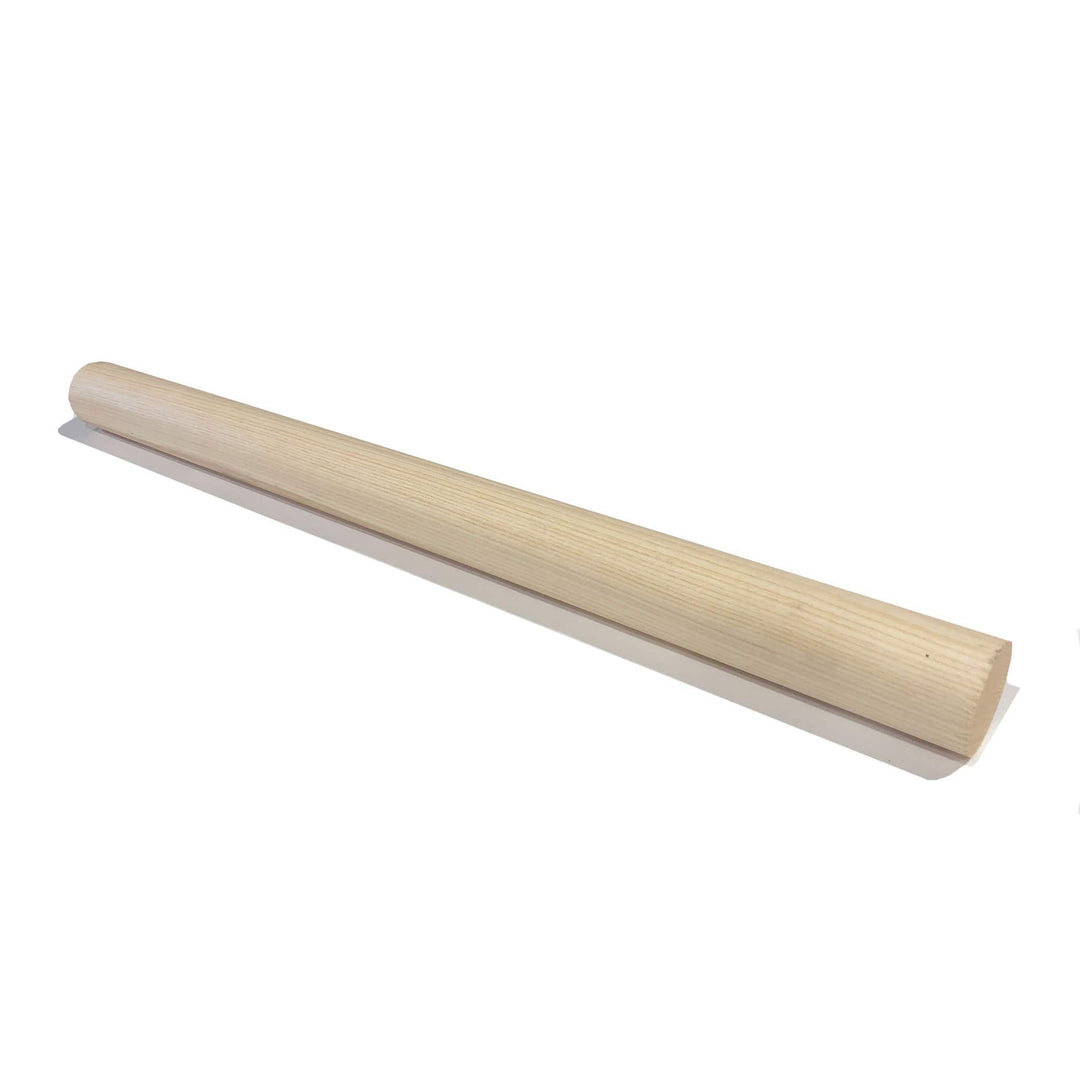
Leatherstocking Hand-Split Baseball Bat Billets

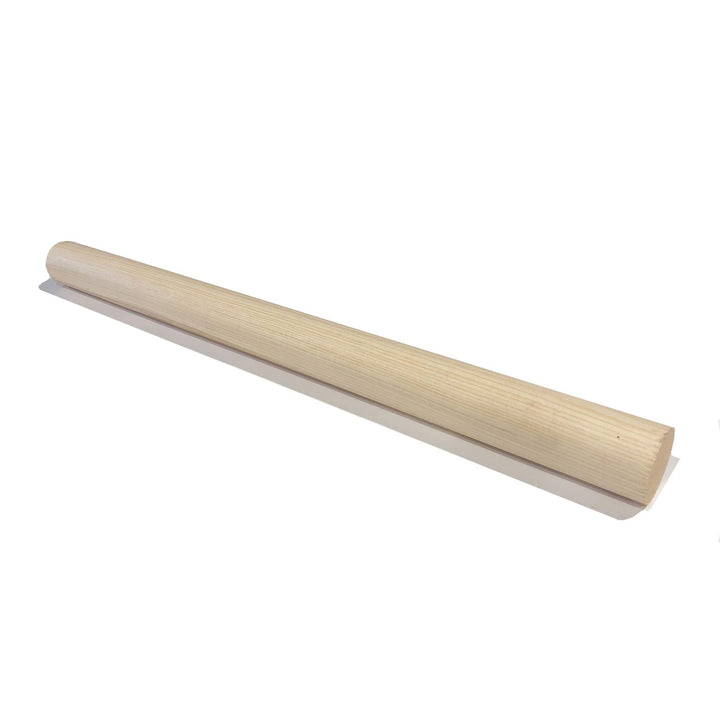
Leatherstocking Hand-Split Billet Co. Billet Ash / Prime (Top Grade) Leatherstocking Hand-Split Billet Co.™ Hand-Split Billets
Leatherstocking Hand-Split Billet Co. Billet Leatherstocking Hand-Split Billet Co.™ Hand-Split Billets
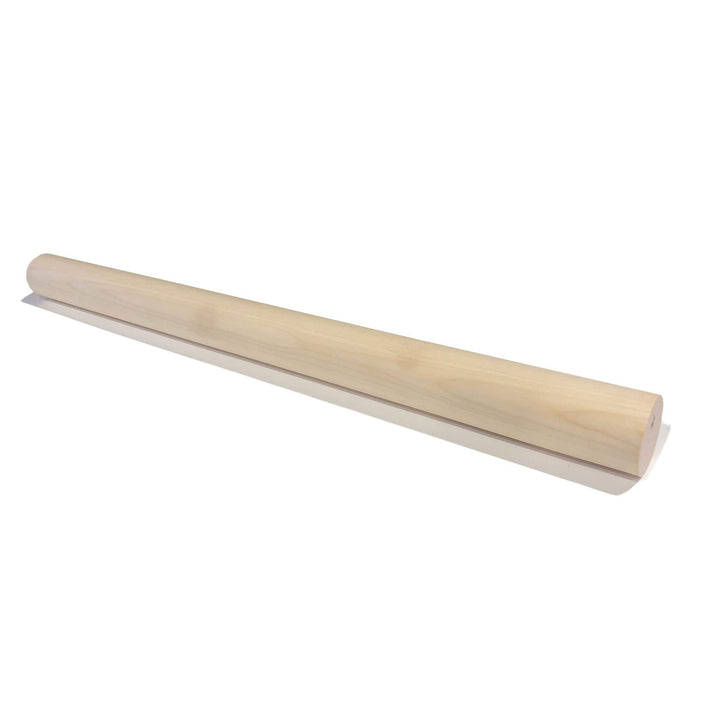
Leatherstocking Hand-Split Billet Co. Billet Birch / Prime (Top Grade) Leatherstocking Hand-Split Billet Co.™ Hand-Split Billets
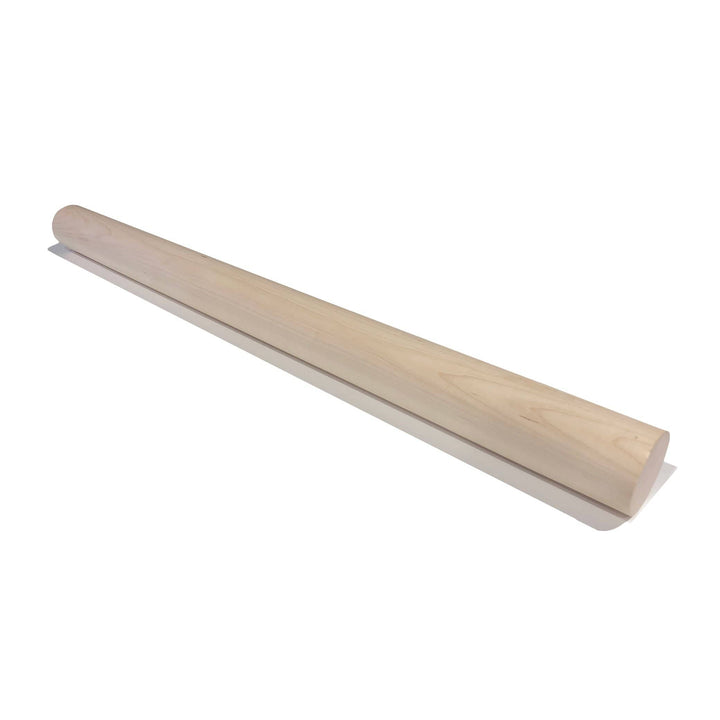
Leatherstocking Hand-Split Billet Co. Billet Hard Maple / Prime (Top Grade) Leatherstocking Hand-Split Billet Co.™ Hand-Split Billets
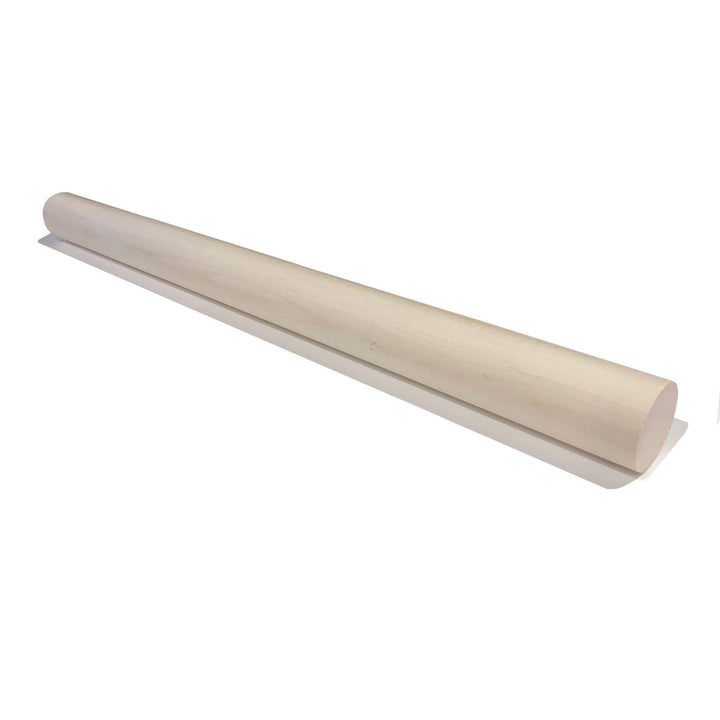
Leatherstocking Hand-Split Billet Co. Billet Soft Maple (best for fungos) / Prime (Top Grade) Leatherstocking Hand-Split Billet Co.™ Hand-Split Billets

Leatherstocking Hand-Split Baseball Bat Billets


Wood Species
Grade
Regular price $90.00
/
10M+Billets delivered
Since 1994Producing bat wood
New YorkAuthentically hand-split
The raw material behind great bats

Pro-Level Hand-Split Baseball Bat Billets

Before the logo, finish, or first swing, every wood bat begins with the billet. Leatherstocking has delivered more than 10 million billets to bat makers across the country, using a process built around straight grain, precision drying, and bat-specific grading.

Leatherstocking billets are used by most Major League Baseball bat makers. Now that proven foundation is available to independent bat makers, woodturners, schools, teams, and serious hobbyists who want to begin with exceptional bat wood.

The best bats start with the best raw materials.
Leatherstocking hand-split baseball bat billets stacked at the New York mill
Choose your wood

Select any wood type below to return to the product options and choose an available grade. Current combinations include Prime, Choice, and Trophy grades.

Why hand-split?

The Grain Determines the Split

Straight grain starts before a billet reaches the lathe. The way a billet is produced affects how its wood fibers run through the finished bat.

Sawn Billets

A saw determines the path of the cut and can cross the wood's natural grain, making grain runout harder to avoid.

Hand-Split Billets

The split follows the wood's natural grain, helping keep fibers aligned through the length of the billet before it is turned.

Inside Leatherstocking

From Hardwood Log to Bat Billet

A controlled process prepares every billet for bat making.

01 / SELECT

Choose the Logs

Hardwood logs are selected specifically for baseball bat billet production.

02 / SPLIT

Follow the Grain

The wood is split along its natural grain instead of being forced through a saw.

03 / INSPECT

Evaluate

Material is inspected throughout production for bat-making suitability.

04 / DRY

Steam Under Vacuum

Our proprietary, industry-secret process uses steam under vacuum to dry each billet evenly and achieve the ideal target moisture content.

05 / GRADE

Sort by Grade

Finished billets are sorted by available species, grade, and application.

06 / SHIP

Ready to Turn

Billets leave New York for bat makers and customers across the country.

Technical specifications

Baseball Bat Billet Dimensions & Moisture

Each billet is prepared to give bat makers the size and controlled moisture needed to begin turning a full-size wood baseball bat.

Diameter

2.78 Inches

Consistent billet diameter provides the material needed to shape a wide range of full-size bat profiles.

Length

37 Inches

Generous overall length gives the bat maker room to turn the barrel, taper, handle, and knob.

Target moisture

8–10%

Our proprietary steam-under-vacuum drying process targets an ideal moisture-content range for bat making.

Choose your application

Baseball Bat Billet Grades

Available grades vary by species and inventory. Use the product selectors above to see current combinations and pricing.

Top grade

Prime

Leatherstocking's highest available grade for customers seeking premium bat-making material.

Bat making

Choice

A practical selection for amateur, retail, training, and other bat-making applications.

Display use

Trophy

Made for commemorative, display, award, and trophy-bat projects rather than game use.

Compare your options

Available Wood Species

Choose the species that best matches your target bat, feel, weight, and intended use.

Hard Maple hand-split wood bat billet

Hard Maple

Dense and hard with a firm feel. A widely used option for full-size wood baseball bats.

White Ash Prime grade hand-split wood bat billet

White Ash

A classic baseball-bat wood known for comparatively lighter weight and flex.

Yellow Birch hand-split wood bat billet

Yellow Birch

A popular alternative to Maple and Ash with its own balance of density and feel.

Soft Maple hand-split billet for fungo and youth bat projects

Soft Maple

Lighter and less dense than Hard Maple; best suited to fungos and lighter youth projects.

Shipping noticeDue to their size and weight, orders containing billets cannot be shipped by USPS. Available shipping methods and costs are calculated at checkout.
Commercial supply

Ordering More Than 40 Billets?

Orders of more than 40 billets must be placed directly through Leatherstocking. Bat manufacturers, commercial turning shops, and volume buyers can also contact us about ongoing supply and specific billet requirements.

Contact Leatherstocking
Product questions

Hand-Split Baseball Bat Billet FAQ

What is a baseball bat billet?
A baseball bat billet is a cylindrical wood blank prepared to be turned on a lathe into a baseball bat. After turning, the bat maker sands, finishes, and customizes the bat.
Are Leatherstocking billets hand-split or sawn?
Leatherstocking billets are authentically hand-split so the split follows the wood's natural grain direction.
Which wood species are available?
Current options include Hard Maple, White Ash, Yellow Birch, and Soft Maple. Species, grade, and inventory availability can change; check the selectors above for current choices.
Which billet grade should I choose?
Prime is the highest available grade, Choice is intended for bat-making applications, and Trophy is intended for commemorative or display bats. Available grades vary by wood species.
What are the billet dimensions and target moisture content?
Each billet measures 2.78 inches in diameter and 37 inches long, with a target moisture content of 8–10%.
How are Leatherstocking billets dried?
Leatherstocking uses a proprietary, industry-secret drying process that applies steam under vacuum. This controlled process is designed to dry the wood evenly and produce an exceptional bat billet with a target moisture content of 8–10%.
Is Soft Maple suitable for a full-size bat?
Soft Maple is lighter and less dense than Hard Maple and is generally best for fungos or lighter youth projects. Choose Hard Maple, Ash, or Birch when appropriate for other full-size bat projects.
How are billet orders shipped?
Because of billet size and weight, orders containing billets cannot ship by USPS. Eligible shipping methods and costs appear during checkout.
Can I place a commercial or volume order?
Yes. Orders of more than 40 billets must be placed directly through Leatherstocking Hand-Split Billet Company. Contact Leatherstocking for larger quantities, ongoing commercial supply, or specific requirements.
Start at the source

Ready to Turn Your Own Wood Bat?

Choose your species and grade in the purchase area above, then add your Leatherstocking hand-split billet to the cart.

Select Your Billet ↑

Why Hand-Split?

Most bat billets are sawn — and that's the problem. Sawing cuts through a log regardless of where the grain runs, creating hidden weak spots. Hand-splitting follows the wood's natural grain all the way through, ensuring straight tangential grain, keeping fibers perfectly aligned. The difference is massive: a bat with just a 10-degree grain angle has only 30% of the strength of a straight-grained one. Leatherstocking has hand-split every billet since 1994. The old way. Turns out it's still the best way.

Want to know more? Read the full breakdown →

The Same Billets Behind Pro-Level MLB Bats

30 Years of Craft
in Every Split

This Is How a Pro Billet Is Made
Recently viewed