
Why Use a Wood Baseball Bat?
Why Use a Wood Baseball Bat?
Wood bats give hitters honest feedback. They reward precise contact, make barrel location easier to feel, and help players prepare for leagues and tournaments where wood is part of the game.
The short answer: Training with a properly sized wood bat can encourage better barrel awareness and more disciplined contact—but the bat is a training tool, not a shortcut. Good instruction, purposeful practice, and the right bat still matter.
The Real Benefits of Using a Wood Bat
Wood does not make every player better simply by being harder to hit. Its value is the quality of information it gives the hitter. Contact away from the most effective part of the barrel usually feels and sounds different from centered contact, giving players and coaches immediate clues about where the barrel met the ball.
Used with a sensible training plan, that feedback can help a hitter pay closer attention to barrel path, timing, contact point, and pitch location. It also helps players become familiar with the feel and balance of the equipment used in wood-bat competition.
The goal is not to prove that wood is universally “better” than metal. The goal is to choose the tool that fits the player's league, age, strength, and training purpose.
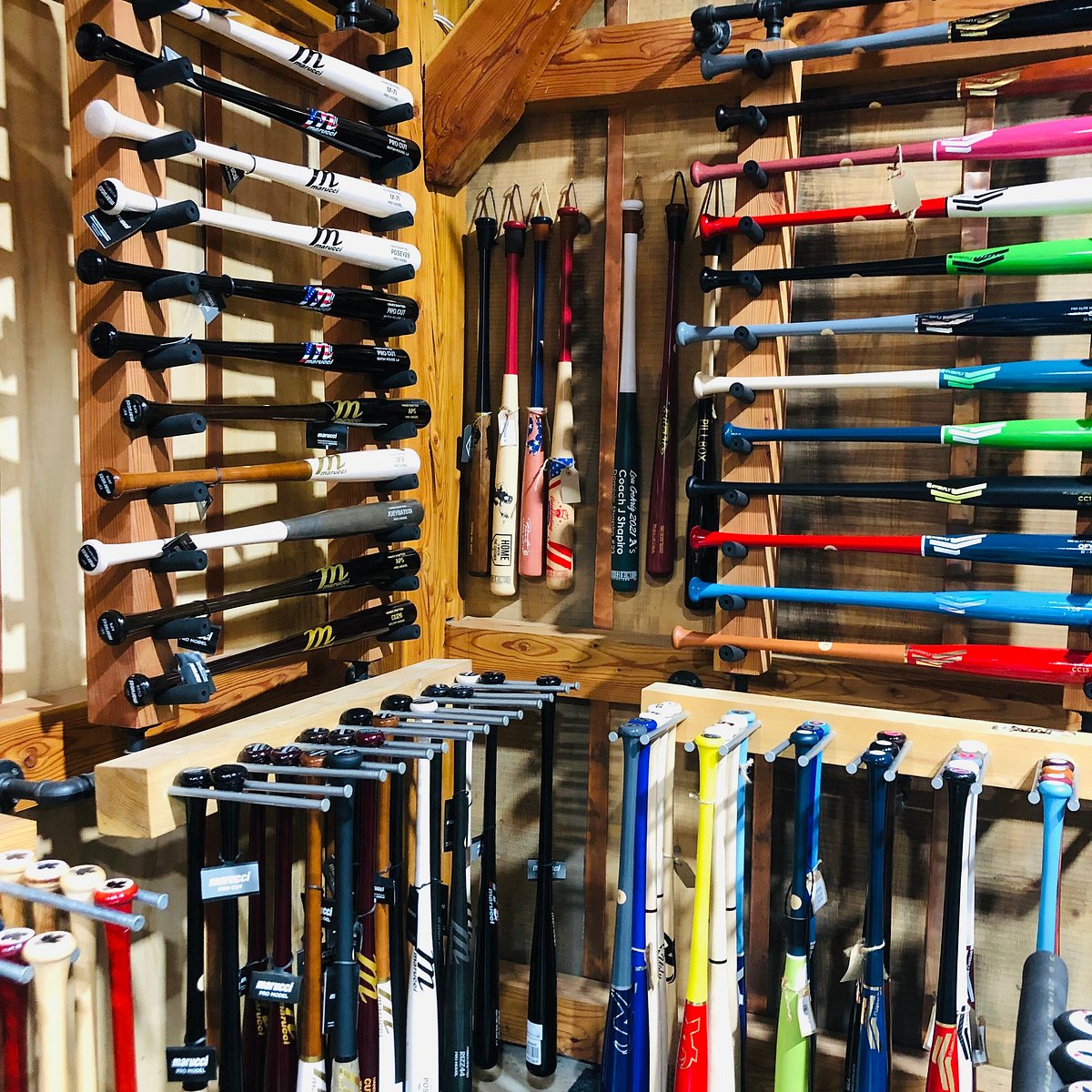
Six Ways Wood-Bat Training Can Help
Clearer Contact Feedback
Centered contact and off-center contact tend to feel and sound different, helping hitters recognize what happened on each swing.
Barrel Awareness
A hitter can learn where the barrel is moving through the zone and where contact occurs relative to the effective hitting area.
More Precise Contact
Wood rewards getting the barrel to the ball cleanly instead of relying as much on the forgiveness of a larger-performing metal barrel.
Intentional Mechanics
Players may become more attentive to balance, sequence, swing path, and timing when every mishit supplies noticeable feedback.
Wood-League Preparation
Regular practice makes the feel, weight distribution, barrel size, and sound of wood more familiar before game competition.
Connection to the Game
Wood offers the traditional sound and feel associated with professional baseball and generations of hitters.
Wood Bat vs. Aluminum or Composite Bat
Both categories have a place in baseball. The best choice depends on the rules, the player, and the purpose of the session.
| Factor | Wood bat | Metal or composite bat |
|---|---|---|
| Contact feedback | Typically makes barrel location and many mishits easier to feel. | Often provides more forgiveness across a larger effective hitting area. |
| Training focus | Useful for barrel awareness, precise contact, and preparation for wood-bat play. | Useful for game-specific practice when a player's league uses certified metal or composite bats. |
| Performance characteristics | Solid wood construction with performance shaped by species, density, turn model, length, and weight. | Engineered construction can provide a different barrel response and a lighter-feeling swing, depending on the model. |
| Durability | Can crack or break, especially on poor contact or when the bat is misused. | Generally resists breakage longer, though dents, cracks, end-cap issues, and performance changes can occur. |
| Consistency | Natural material means every bat has its own grain, density, and feel. | Manufactured materials generally create more uniform model-to-model characteristics. |
| League use | Required or preferred in many professional, collegiate-summer, adult, tournament, and showcase settings. | Common in youth, high-school, and college play under specific certification rules. |
| Best reason to choose it | Authentic feel, direct feedback, or preparation for wood-bat competition. | League compliance, durability, and the performance profile preferred for metal-bat competition. |
Always check current league and tournament rules. Bat-material, length-to-weight ratio, barrel diameter, and certification requirements vary by organization and age group.
How to Train with a Wood Bat
A wood bat is most useful when the drill has a clear purpose. Start under control, pay attention to feedback, and build intensity without letting mechanics fall apart.
Own the Contact Point
Move the tee through different locations and learn where clean contact happens for inside, middle, and outside pitches.
Track the Barrel
Use controlled toss to connect timing with the feel and sound of centered contact.
Transfer the Feel
Progress to normal batting practice while maintaining the same balance and contact awareness.
Learn from Mishits
Instead of chasing distance, ask where contact occurred and what the swing tells you about timing or barrel path.
When Should a Player Start Using a Wood Bat?
There is no single age that is right for every hitter. A player can begin taking some supervised swings with wood when the bat is appropriately sized and the player can control it without changing normal mechanics.
For younger players, wood-bat work does not have to replace the bat used in games. It can be introduced gradually during tee work or controlled practice. A lighter youth model or Birch bat may be a more manageable starting point than an overly heavy adult bat.
A player is more likely to be ready when they can:
- Control the bat through the full swing without losing posture or balance
- Use a length and weight appropriate for their size and strength
- Understand that mishits are feedback—not a reason to overswing
- Practice with supervision and a clear drill objective
- Follow the equipment rules for their league or tournament
Maple vs. Birch vs. Ash Wood Bats
Species influences feel, density, flex, and the range of weights a bat maker can achieve. No species is automatically best for every hitter.

Hard Maple Bats
Maple is dense and hard, with a firm feel at contact. It is a leading choice among experienced hitters, but proper grain quality and contact discipline matter because Maple is less flexible than Ash.
Shop Maple Wood Bats →
Yellow Birch Bats
Birch combines hardness with more flex than Maple. Many players appreciate its balance of feel and durability, while understanding that Birch benefits from a break-in period as the hitting surface compresses.
Shop Birch Wood Bats →
White Ash Bats
Ash has a long history in baseball and is known for flex and a lighter-feeling profile. Its open grain can separate over time, so hitters should regularly inspect the barrel and replace a bat showing damage.
Shop Ash Wood Bats →
Our Knowledge Starts with the Wood
The Wood Bat Factory brings together bats from leading makers, hands-on retail experience, and a direct connection to the raw material. Our sister operation, Leatherstocking Hand-Split Billet Company, produces premium hand-split baseball bat billets used by most Major League Baseball bat makers.
That position gives us a practical view of the entire bat—from Northeast hardwood log, to split billet, to finished playing bat. We understand that species is only one part of the decision. Grain, density, turn model, length, weight, balance, and the hitter's own preferences all shape how a bat performs and feels.
How to Choose a Wood Baseball Bat
Start with fit, then refine the feel. A premium bat that is too long, too heavy, or poorly balanced for the hitter is still the wrong bat.
Confirm the Rules
Check permitted materials, barrel diameter, length-to-weight ratio, and certification requirements.
Choose Length & Weight
Use height, weight, strength, experience, and swing control to find a manageable starting point.
Select a Turn & Balance
Balanced bats can feel easier to control; end-loaded models place more mass toward the barrel.
Choose the Species
Compare Maple's firmness, Birch's blended feel, and Ash's traditional flex based on personal preference.
Find a Wood Bat That Fits Your Swing
Compare brands, turn models, lengths, weights, and wood species across The Wood Bat Factory's playing-bat selection—or start with the models customers choose most often.
Common Questions About Using Wood Bats
Does using a wood bat automatically make you a better hitter?
Why practice with a wood bat?
Is a wood bat harder to hit with than an aluminum bat?
When should a youth player start using a wood bat?
Which wood bat is best for practice?
Should a practice wood bat be heavier than a game bat?
What is the difference between a balanced and end-loaded wood bat?
Which is better: Maple, Birch, or Ash?
Can wood bats break?
Can I use a wood bat in my league?
Start with the Right Size, Then Choose the Feel You Want
Use our sizing guide if you are unsure where to begin, or browse hundreds of playing bats from respected bat makers.
